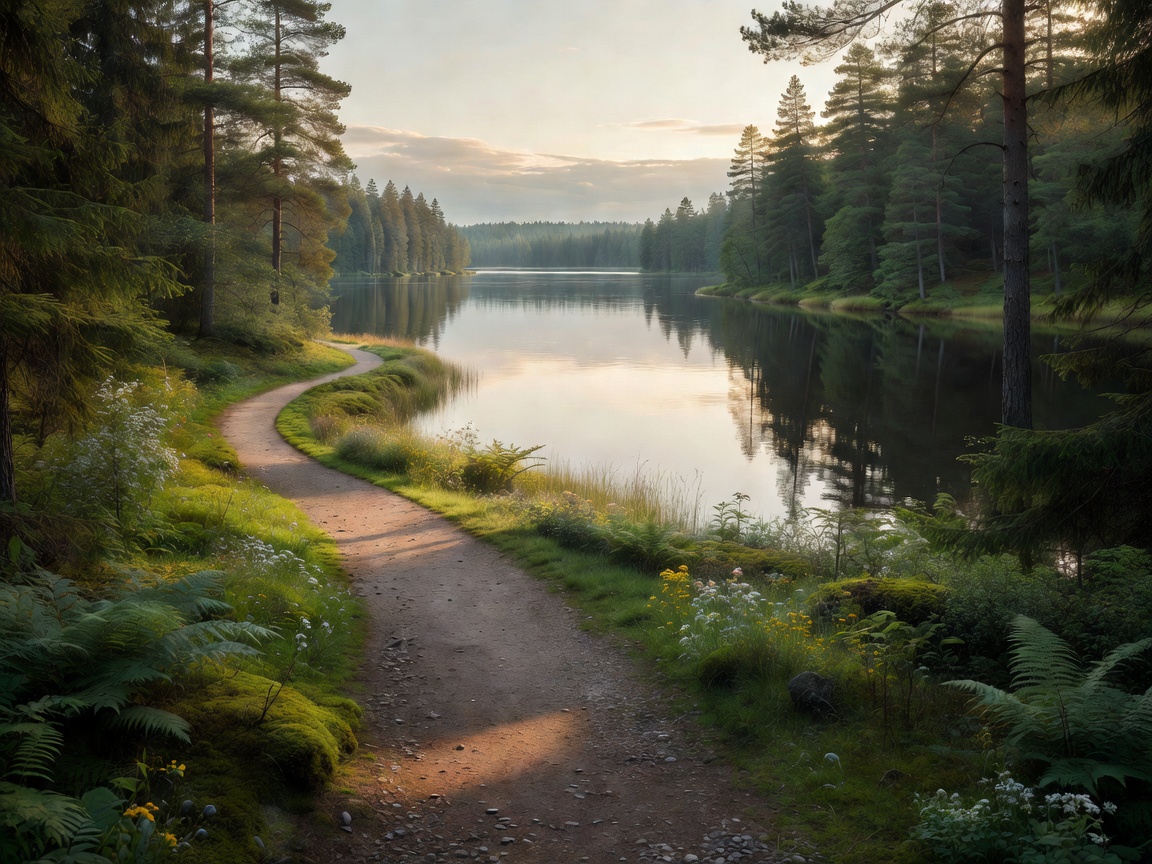
A running recovery retreat is organised around balance rather than a demanding itinerary. It may include gentle running, walking, quiet time and practical routines for sleep and meals. The label is not a clinical service. A retreat does not diagnose, treat or prevent injury or illness, and general wellness activities are not substitutes for professional medical care.
Define what recovery means for the trip
Start by identifying the kind of time you want: fewer scheduled sessions, easy terrain, space to rest or a calm base for light activity. Do not assume a provider’s use of “recovery” means personalised treatment or a specific method. Check the daily programme and ask which elements are optional.
A useful schedule can have open blocks instead of filling every hour. Gentle movement may be welcome, but a rest day can also mean no planned activity. Make the trip practical and comfortable rather than turning recovery into another performance target.
Low-intensity running and walking
Easy running can be one option when it suits the individual and the conditions. Choose familiar effort, short route choices and forgiving surfaces. A walk provides a lower-key way to spend time outdoors without treating it as a mandatory workout. Keep routes flexible and allow people to turn back early.
Local terrain still matters. Wet trails, hills and uneven paths can make a supposedly gentle outing more demanding. Select accessible routes with straightforward navigation. A nearby loop or out-and-back option can make it easier to adjust duration.
Mobility, rest and optional wellness
Simple mobility activities may be offered as general movement sessions. Participation should be optional and scaled to comfort. Avoid making claims that a particular class or technique heals, prevents injury or speeds recovery. If pain or a medical concern is present, seek advice from an appropriately qualified health professional.
Sauna or other wellness facilities may be available at some stays, but their presence and access vary. Treat them as optional leisure activities. Check any facility rules, costs and suitability directly with the provider. They are not a replacement for rest, hydration, food or medical care.
Sleep and accommodation choices
Protecting quiet time can be a practical part of the itinerary. Review room arrangements, noise expectations, check-in timing and the distance between accommodation and activities. Travel days may affect sleep, so avoid scheduling an early, demanding session immediately after a late arrival.
Ask about bed arrangements and whether the accommodation has spaces for downtime. A central base can simplify meals and local access. A remote stay can offer quiet but may make errands, transport and alternative activities more difficult. Choose based on the routine you want, not only the setting.
Food, hydration and day structure
Food planning should be ordinary and workable. Check meal availability, timing, dietary communication and nearby shops. If meals are not included, plan where supplies will come from before arrival. Carry water for outdoor activity in a way that suits the route and expected conditions.
Build a loose daily pattern: wake, eat, move if desired, rest, eat again and leave unstructured time. This can be easier to maintain than a timetable packed with classes and outings. Weather alternatives matter here too; indoor quiet time or a short walk can replace a longer outdoor plan.
Balancing activity and rest
Compare a retreat with a highly scheduled camp. A structured programme can be convenient, but it may leave less personal downtime. A self-directed stay allows more choice and requires you to organise food, routes and activity. Confirm the level of support before booking.
Good planning makes it easy to do less. Avoid treating every included activity as compulsory. When fatigue, pain or a health issue arises, adjust the plan and seek appropriate professional care where needed. This guide is general information and cannot assess an individual’s health.
Good for
Runners who want an unhurried outdoor stay with optional easy movement, uncomplicated logistics and space to rest. It may suit people returning to a calmer routine after a busy period. It is not appropriate to treat a leisure retreat as a clinical rehabilitation programme.
What to know
- Ask what “recovery” includes and which sessions are optional.
- Check accommodation quiet, meal and transport arrangements.
- Choose easy terrain and routes with simple exit options.
- Use sauna and wellness facilities only as optional activities.
- For injury or medical concerns, consult a qualified professional.